Hydrogen is only as clean as the electricity used to make it. The National Laboratory of the Rockies (formerly NREL) built MIERA, a 16-foot mobile research trailer that converts hydrogen and captured CO2 into renewable natural gas, and wanted that hydrogen made with solar power. That meant turning variable solar output into the steady DC power an electrolyzer stack needs, inside a trailer built to travel between CO2 sources. Three Victron SmartSolar charge controllers now handle that conversion on board.
Water electrolysis uses an electric current to split water into hydrogen and oxygen, and the source of that current determines how clean the hydrogen really is. MIERA’s balance-of-plant systems, including pumps, sensors, and climate control, run on a 208V three-phase utility connection. The electrolyzer stack is the exception. It is the largest electrical load on the trailer and the heart of the process, and the lab wanted it running on solar rather than drawing more from the grid.
That meant converting variable solar output into controllable DC power within the tight footprint of a trailer built for travel. As a research institution working within a fixed budget, the lab also needed equipment it could get into and modify. The electrolyzer prefers current control rather than the voltage control most charge controllers use out of the box, so the solution had to leave room for custom configuration later.
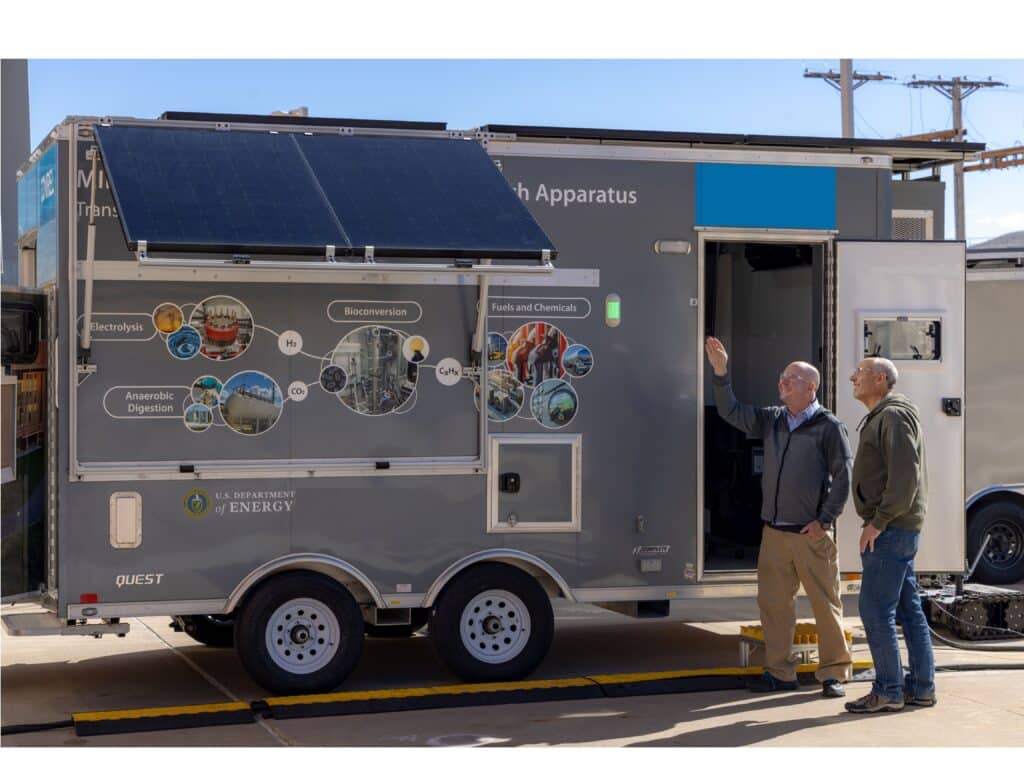
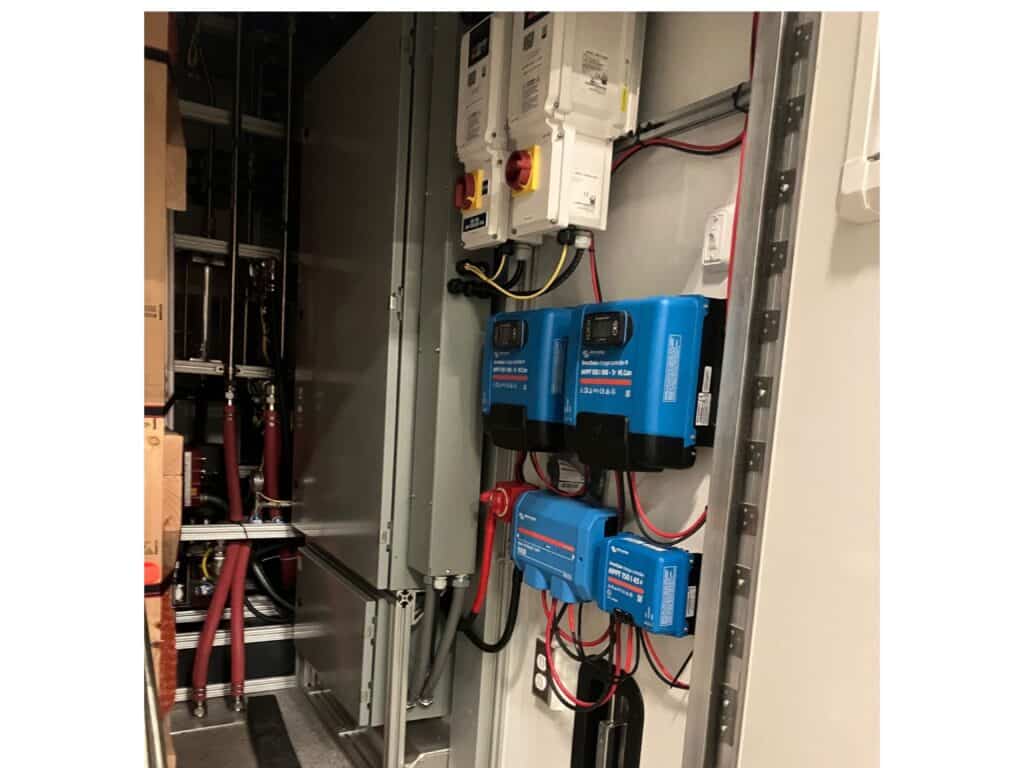
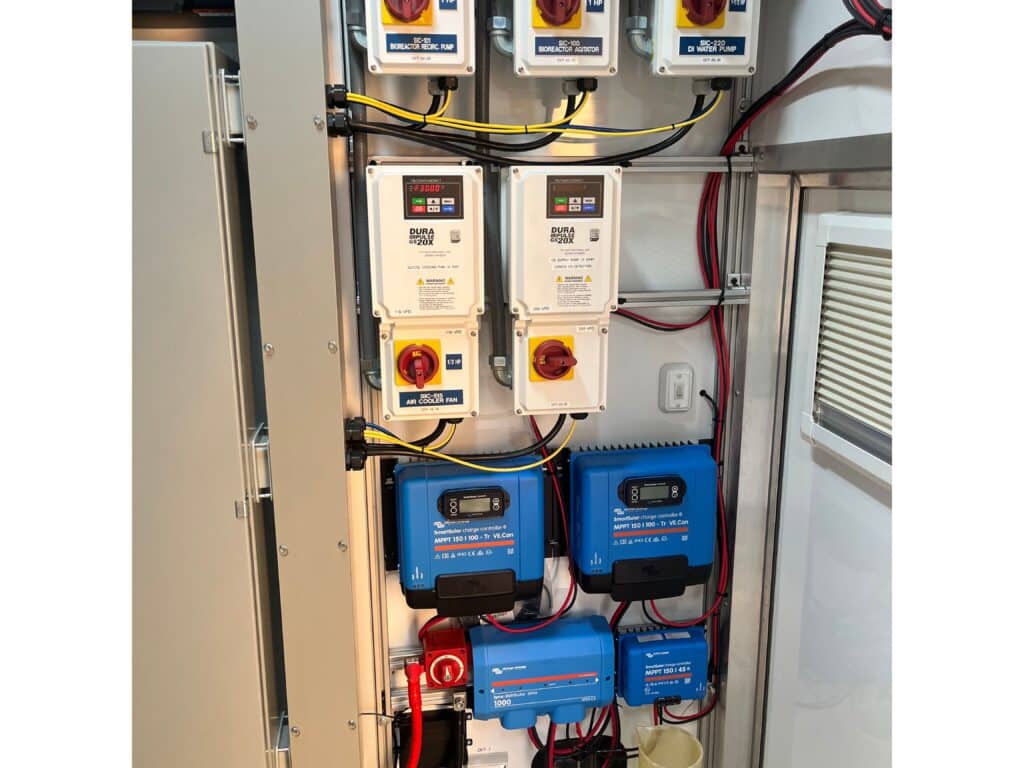
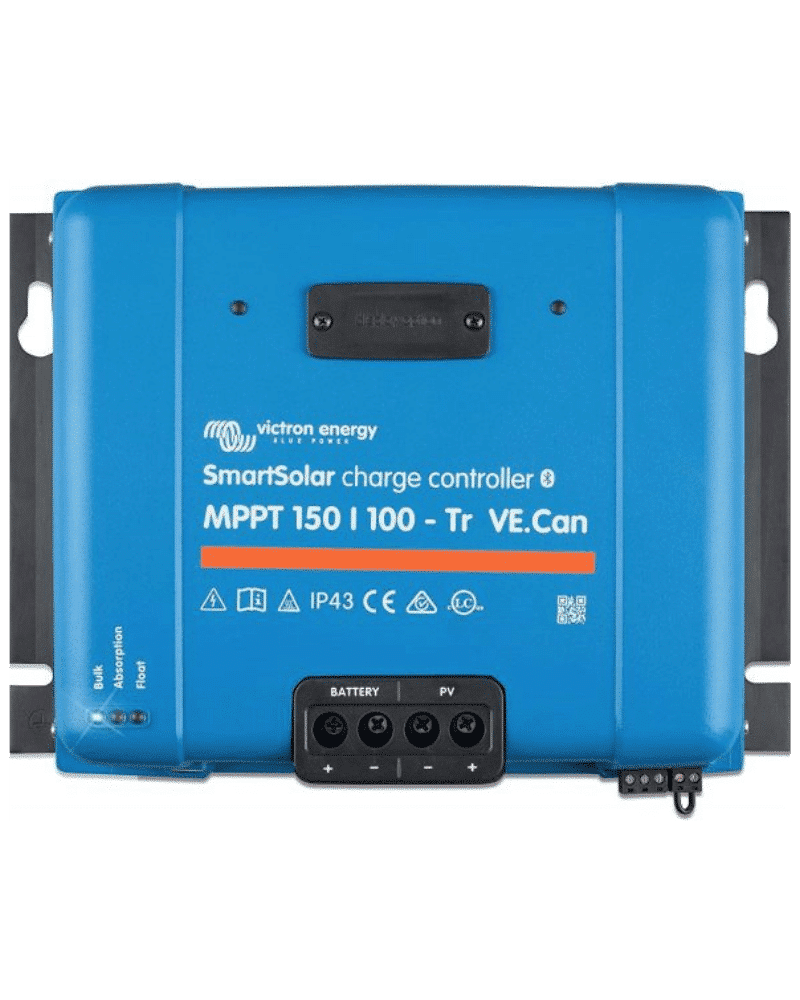
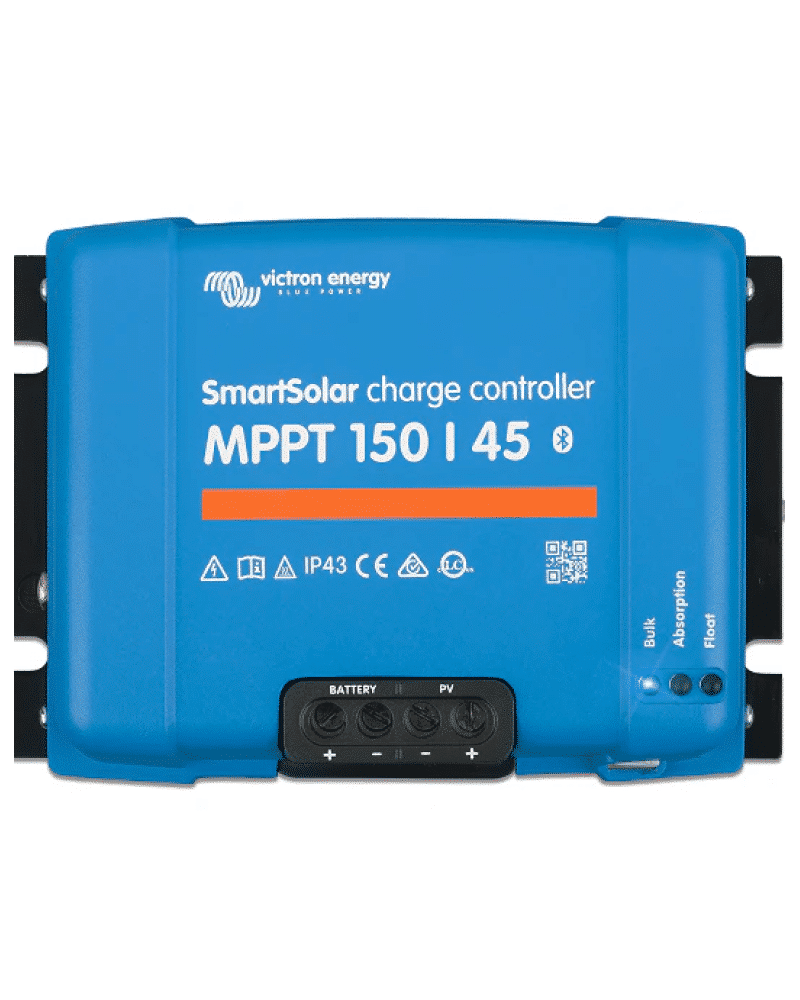
Ten 350-watt Maxeon panels on a fold-out wing form a 3.5-kilowatt array dedicated entirely to the electrolyzer stack. Three Victron SmartSolar MPPT charge controllers, two 150/100 units and one 150/45, convert that variable output into regulated DC power for the stack. A Victron Lynx Distributor M10 carries power from the controllers to the electrolyzer with fused, serviceable connections, keeping high-current DC wiring compact inside the trailer’s small control room. The result is a solar powered electrolyzer that operates on its own power path, separate from the loads running on utility power.
The system is built to grow with the research. Victron’s support for Node-RED, an open-source visual programming tool that runs on the trailer’s Victron GX device, gives the team a path to reprogram the controllers from voltage control into current control, which better matches how the electrolyzer prefers to operate. The same flexibility extends beyond hydrogen. The solar-to-DC path can be repointed at a different electrochemical stack in the future without changing the panels or charge controllers.
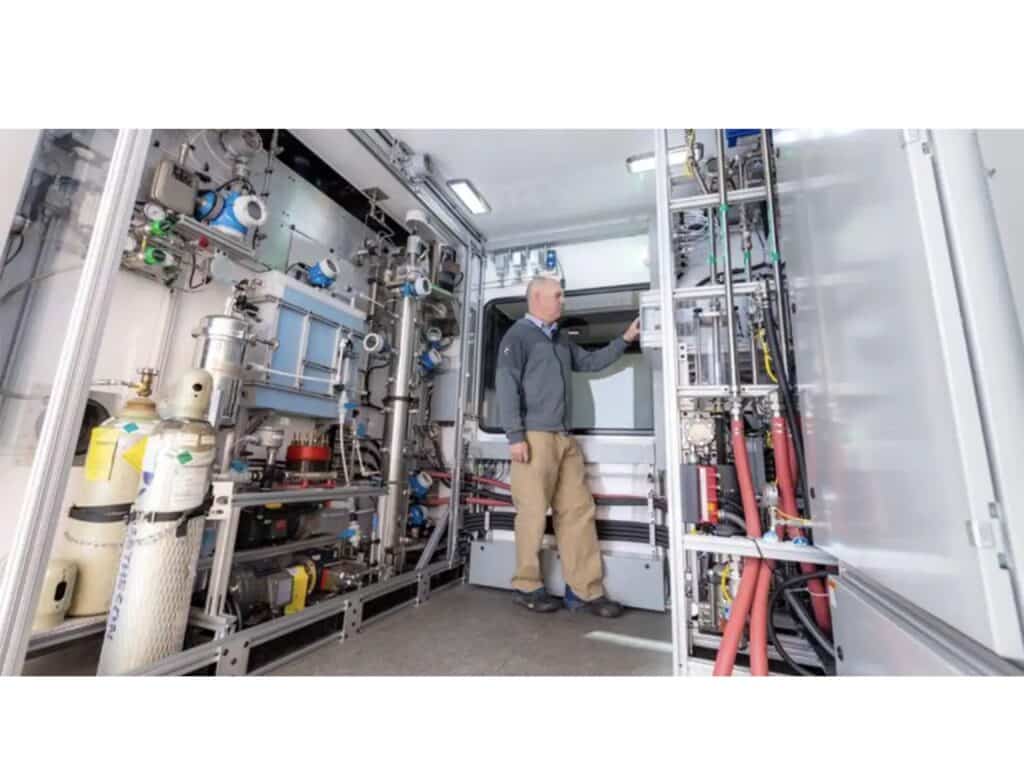
MIERA now produces hydrogen from solar at a working research scale. Every 50 kilowatt hours of solar delivered to the stack yields roughly one kilogram of hydrogen, about the energy content of a gallon of gasoline, and the lab targets around one kilogram per day. Because the electrolyzer has its own power path, researchers can study the renewable production pathway directly, with utility power available when the sun isn’t.
The trailer also gives the lab a flexible foundation. Today the system makes hydrogen. Tomorrow the same panels and controllers could power a different stack producing entirely different gasses or products.

Presented by Trek Systems, in partnership with the National Laboratory of the Rockies – www.nlr.gov