Mutt Jackson builds and operates self-service dog wash stations at state parks and public beaches across Colorado and Illinois, primarily serving locations that have no connection to grid power. At Chatfield State Park in Littleton, Colorado, the goal was a solar dog wash station capable of running three full wash bays, including 240V pumps, high-velocity dryers, and heating, without drawing on the park’s utilities or depending on a diesel generator. The Chatfield location now runs entirely on a Victron-based solar and battery system.
A self-service dog wash station puts professional-grade wash equipment directly where dogs and their owners already are: parks, beaches, and trail heads. Spray wands, shampoo dispensers, and high-velocity dryers give pet owners everything they need to clean a dog before the ride home. The challenge with those locations is that they are rarely served by commercial power. At Chatfield State Park, operating a multi-station dog wash meant supplying 240V loads at commercial scale from a site with no utility connection.
Generator power had filled that gap, but it brought its own costs. Fuel and maintenance added ongoing overhead, and the logistics of keeping a generator supplied at a state park location were a recurring burden. More visibly, a generator running during park hours conflicted with the experience visitors came for. Visitors come to Chatfield to enjoy the reservoir, and a post-swim dog wash should be a quiet, easy stop without the noise and exhaust fumes of a diesel engine running nearby. Eliminating that friction, and with it any dependence on the park’s infrastructure, became a central objective.


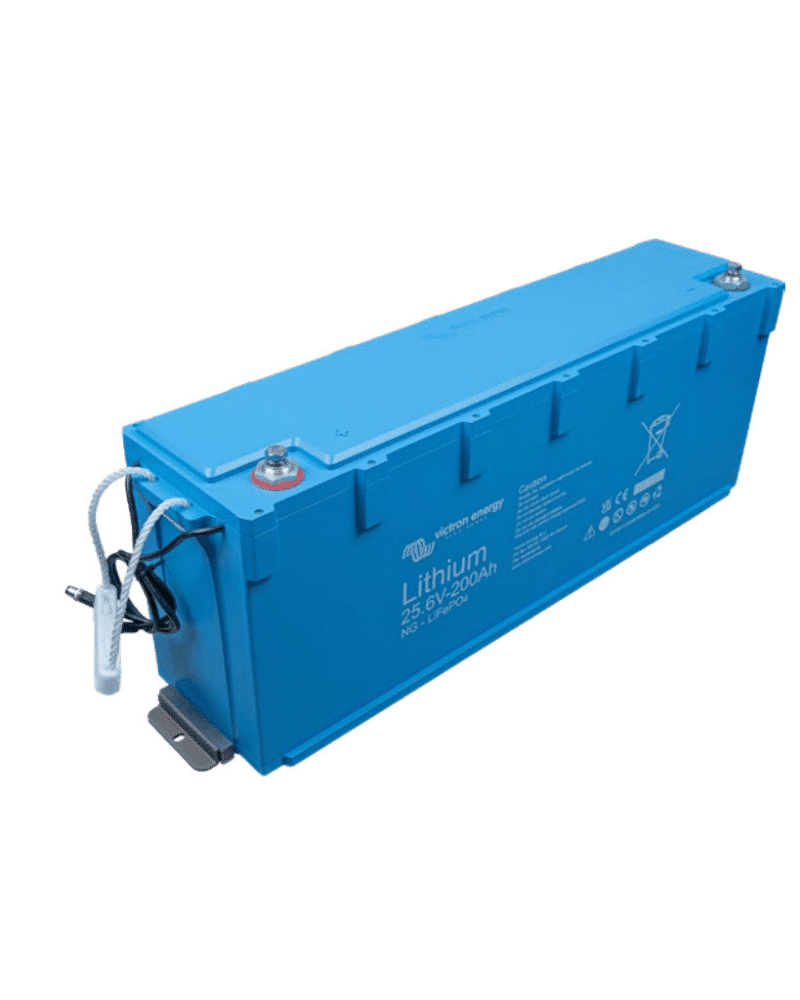
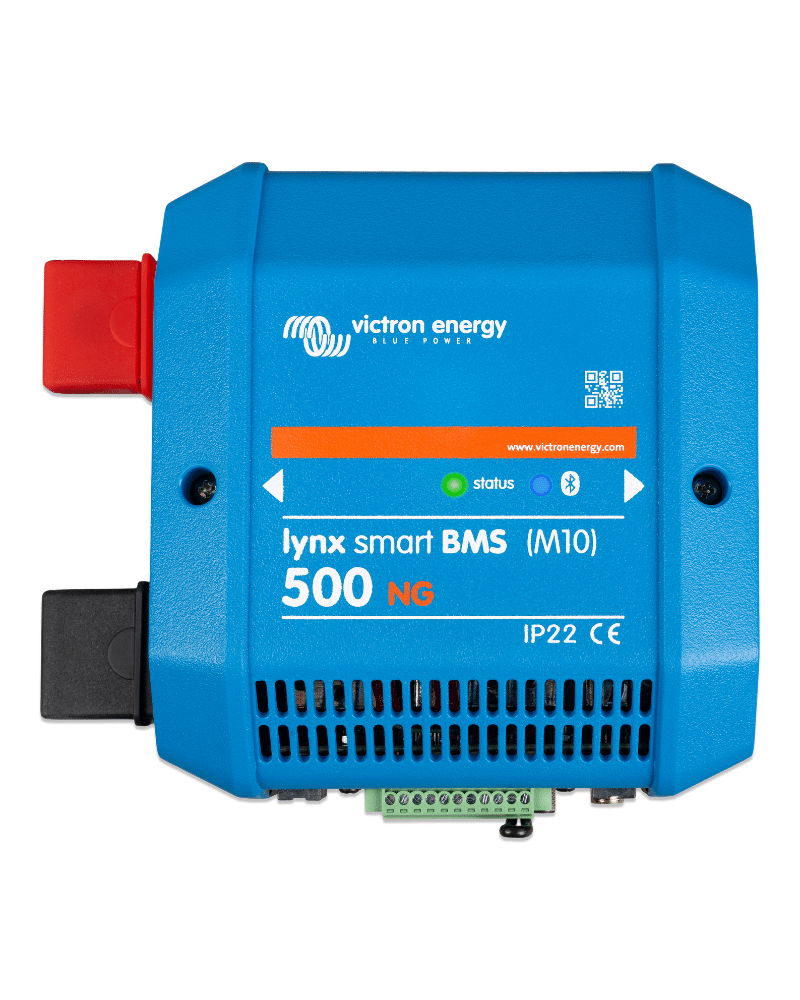
The system is built around a bank of 18 Victron 51.2V 100Ah NG Lithium Batteries wired in parallel, providing 92 kWh of usable storage. That capacity is sized to carry three wash stations through a full operating day and into periods of reduced solar production without interruption. A Victron Lynx Smart BMS 500 NG manages the bank, handling cell-level protection, state-of-charge monitoring, and communication with the inverters and charge controllers. DC power from the battery bank is distributed through a Victron Lynx Distributor, which provides individually fused positions for loads and chargers.
Power delivery is handled by two Victron Quattro 48/10000 Inverter/Chargers operating in a split-phase configuration, supplying up to 16,000W continuous at 120/240V. The dog wash machines and high-velocity dryers at Chatfield all run on 240V, requiring inverter capacity beyond what a single unit could supply; the split-phase configuration provides both legs of 120V needed to deliver true 240V output to the loads. The Quattros also manage generator integration on the AC input side, accepting charge from a backup generator when the battery bank needs supplemental charging during extended periods of low solar production.
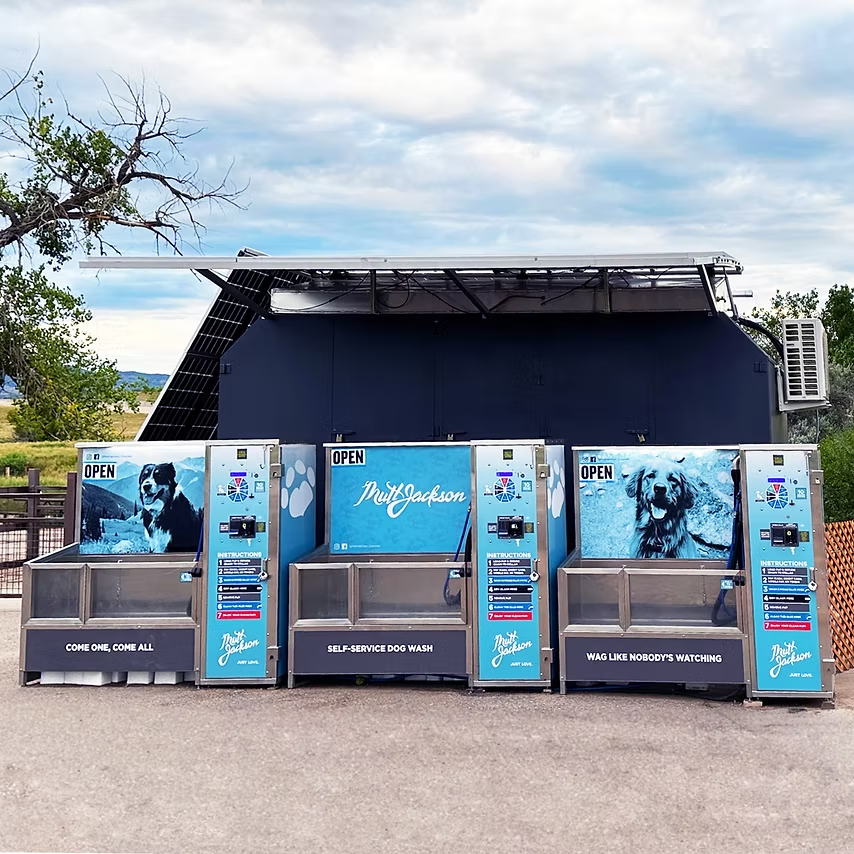

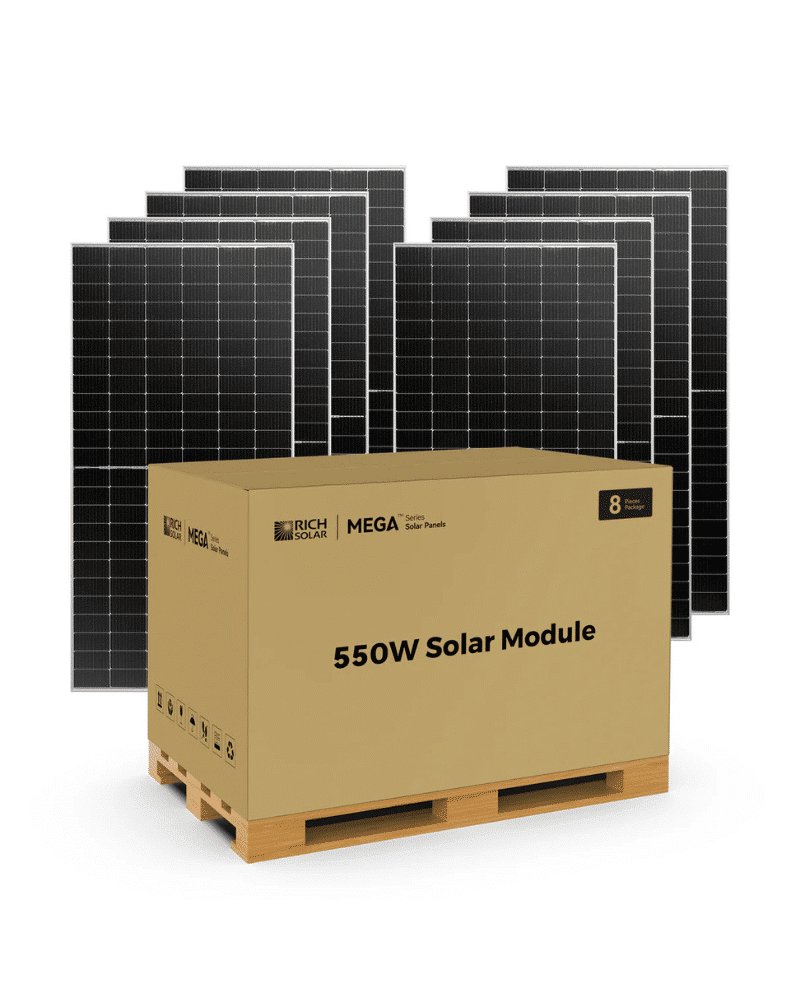
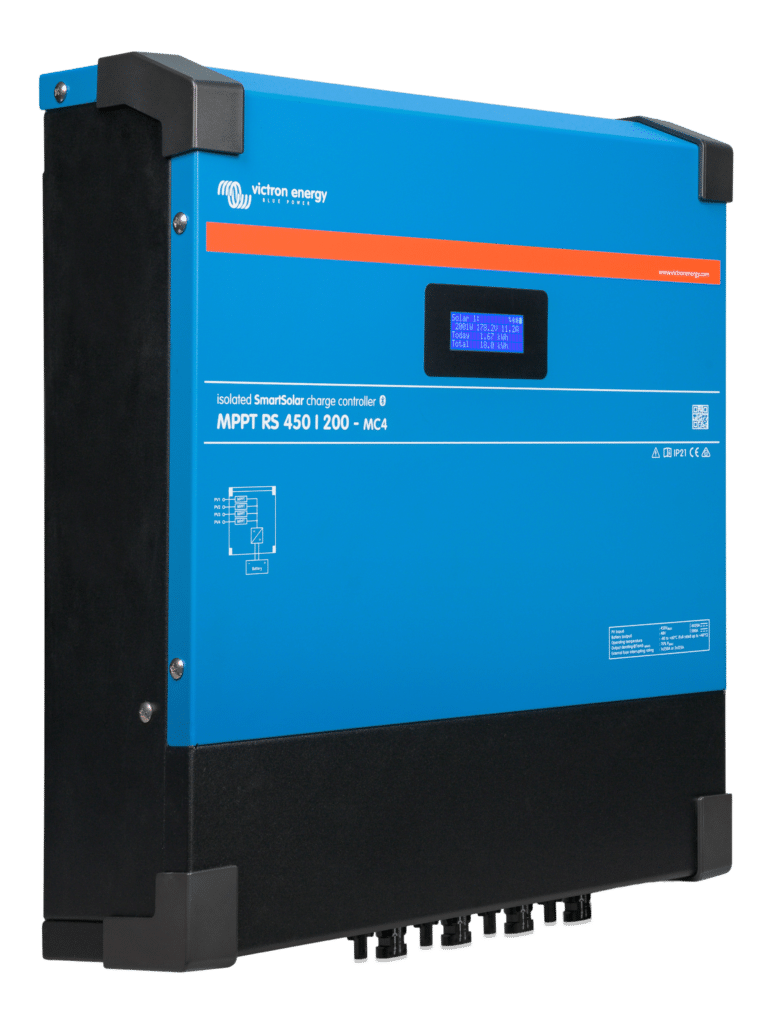
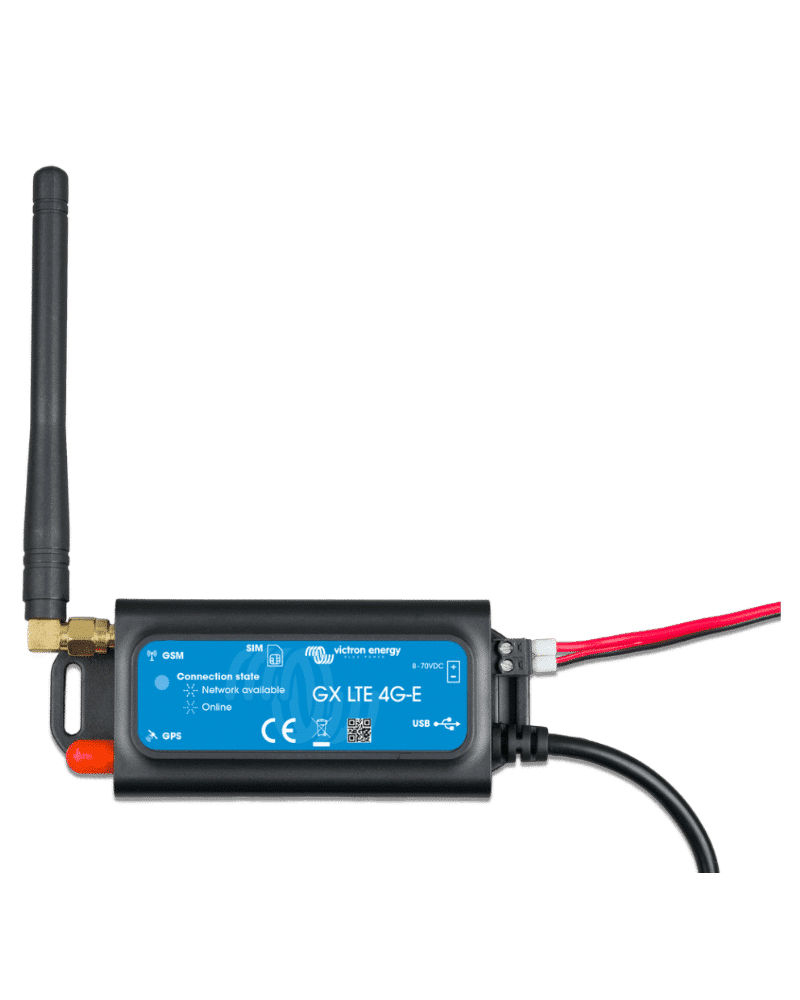
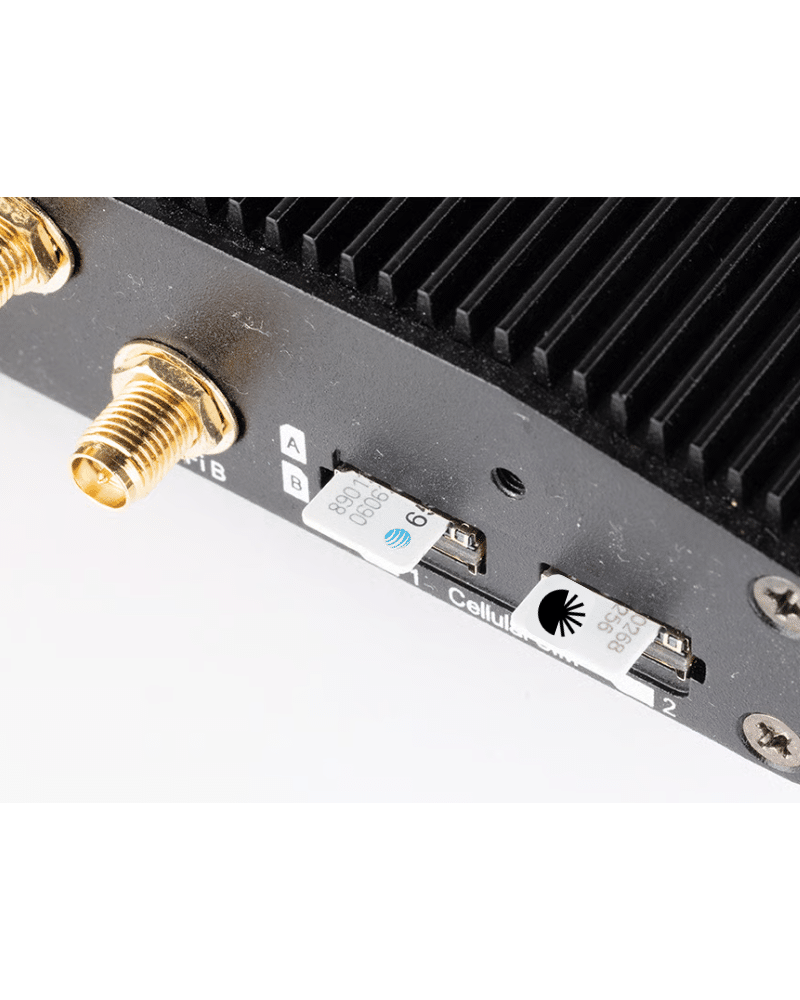
Solar generation comes from 20 Rich Solar MEGA 550W panels totaling 11,000 watts across two separate arrays. A single Victron SmartSolar MPPT RS 450|200 manages both arrays through independent tracker inputs, optimizing harvest from each regardless of panel orientation on the mounting structure. System oversight runs through a Victron Cerbo GX MK2 and GX Touch 50 display, with remote monitoring enabled via a Victron GX LTE 4G module, an external Victron cellular antenna, and a trekData Multi-Carrier Roaming SIM. The Cerbo GX MK2 handles generator auto-start logic and connects to Victron’s VRM platform, allowing system performance to be monitored and adjusted remotely. Much of the commissioning and initial programming were completed remotely through VRM as the installation came online.
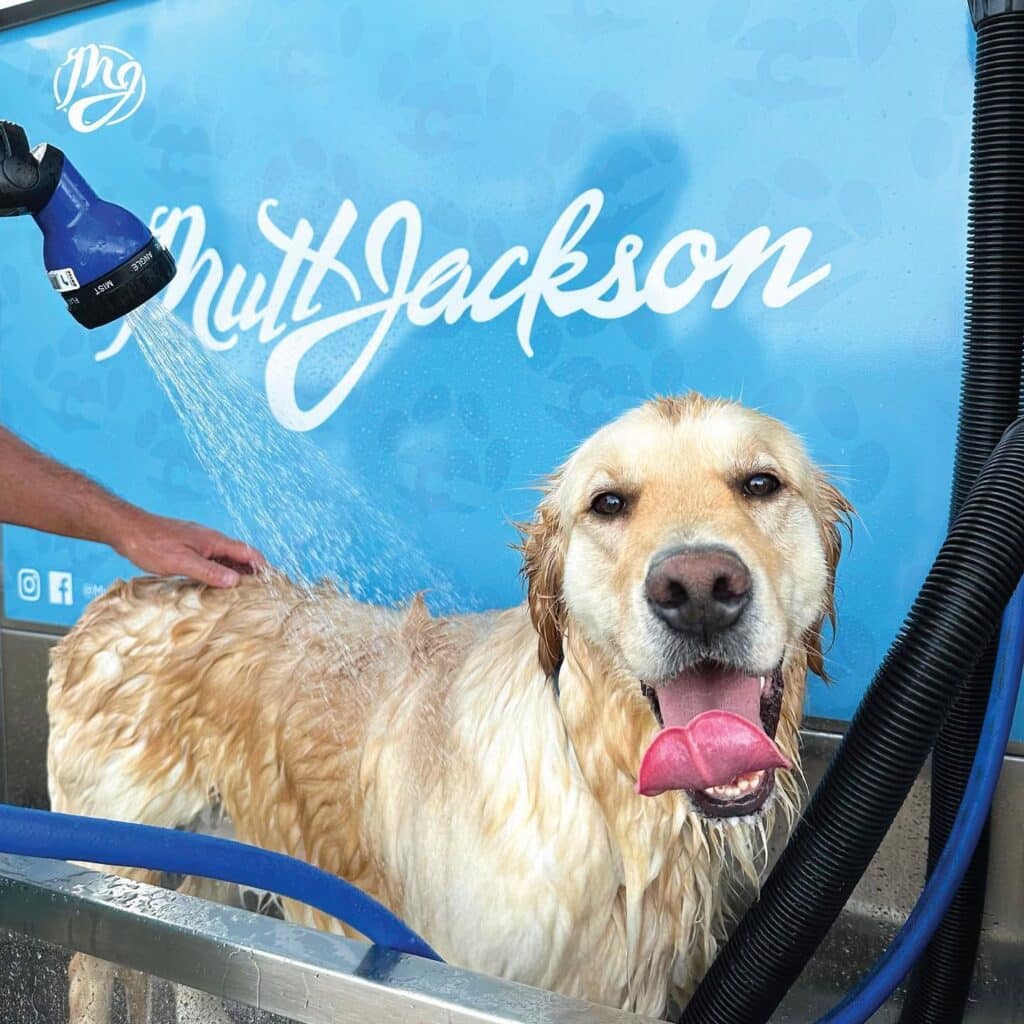
Three self-service wash stations at Chatfield State Park now run on solar and battery power with no connection to the park’s utilities and no generator runtime during normal operation. The system draws nothing from Chatfield’s infrastructure, fulfilling the Mutt Jackson objective of a dog wash that is fully self-reliant and leaves no resource footprint on the parks it operates in.
Beyond the environmental framing, the shift to solar changes the day-to-day experience of the location. Visitors rinsing their dogs after a swim in the reservoir do so without generator noise or exhaust nearby. The 92 kWh battery bank provides sufficient reserve to carry operations through periods of low solar production and leaves headroom for the Chatfield site to support up to six wash bays without requiring a system redesign. VRM monitoring gives Mutt Jackson visibility into system performance across locations as the network of stations continues to grow.



Presented by Trek Systems, in partnership with Mutt Jackson – www.muttjackson.com