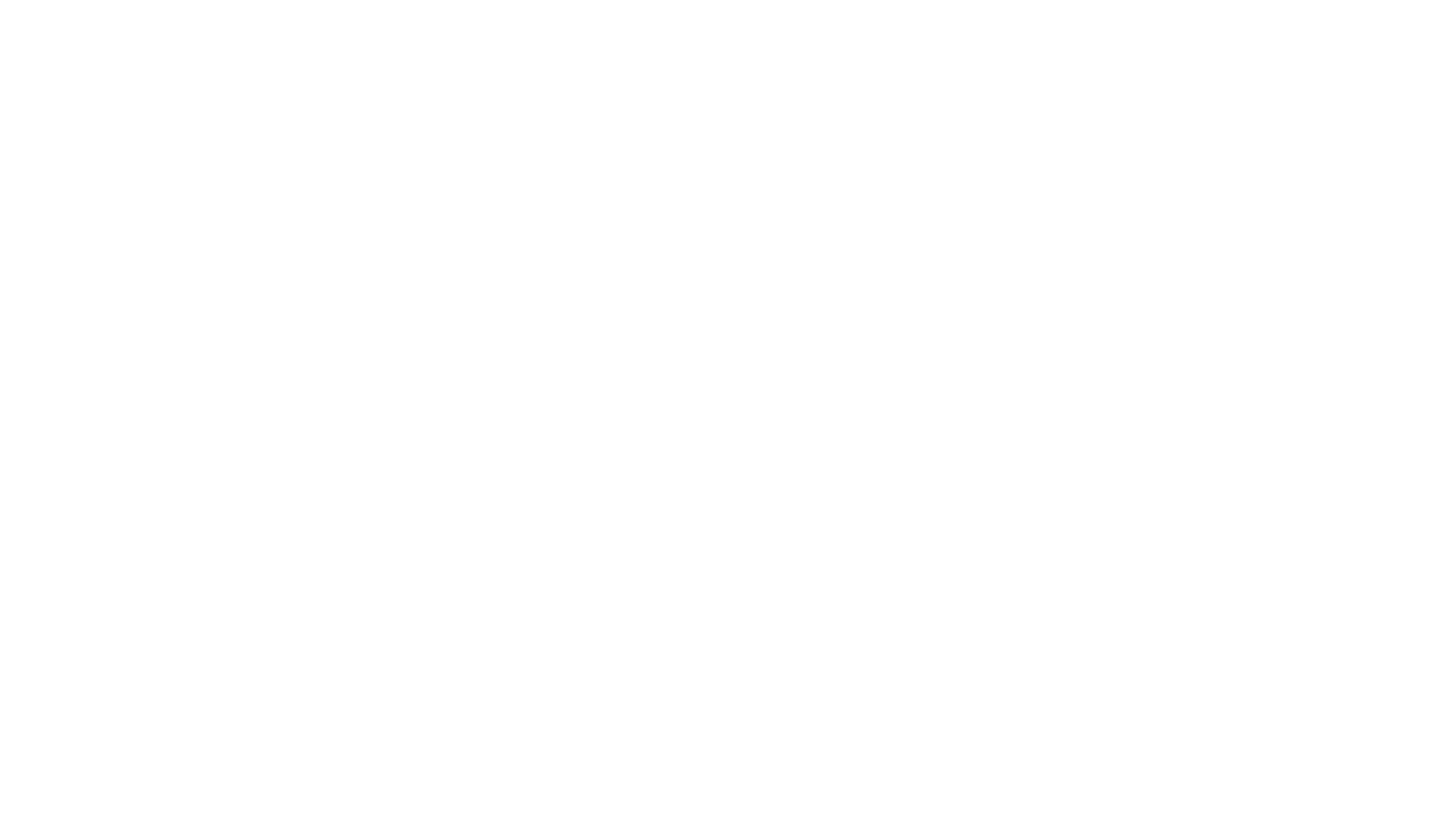
A small urban farm needed more than a place to store its harvest. It needed a self-sufficient, intelligent system that could cool, monitor, and report from a modular container with no grid power and no fixed internet connection. Working with Farm From A Box, the Trek Systems team designed and built a solar-powered cold storage solution integrating Victron Energy systems and a Peplink MAX BR1 Mini router, delivering reliable remote monitoring and near-100% uptime connectivity from anywhere in the world.
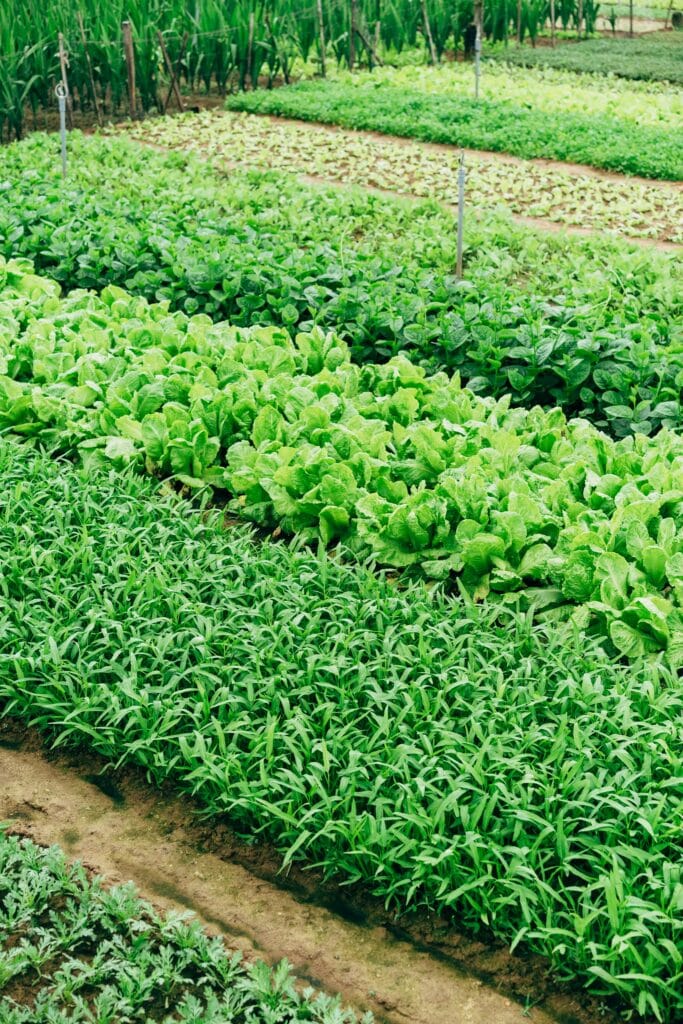
“How can we provide essentials for farms?” That’s the question Scott Thompson, co-founder of Farm From A Box, brought to the project. The answer needed to fit inside a 14′ by 8′ modular shipping container destined for a 5-acre urban farm, and it needed to do a lot: run drip irrigation pumps and water filters, power internal and external lighting and outlets, maintain a steady 40–50°F cooling environment for post-harvest storage, and relay live sensor data back to the farmer, all without a grid connection.
The stakes were practical and immediate. Without a reliable solar-powered cold storage solution, the farmer had no visibility into whether the cooling system was holding temperature, how much water the irrigation system was dispersing, or whether the pump was performing within spec. In agriculture, those blind spots translate directly to spoiled crops and lost revenue.
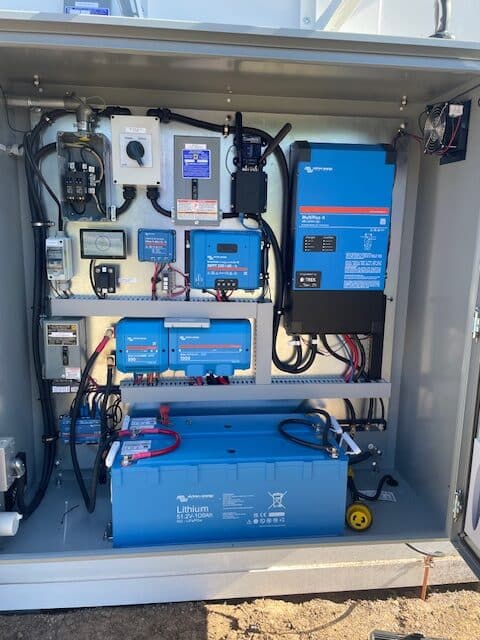
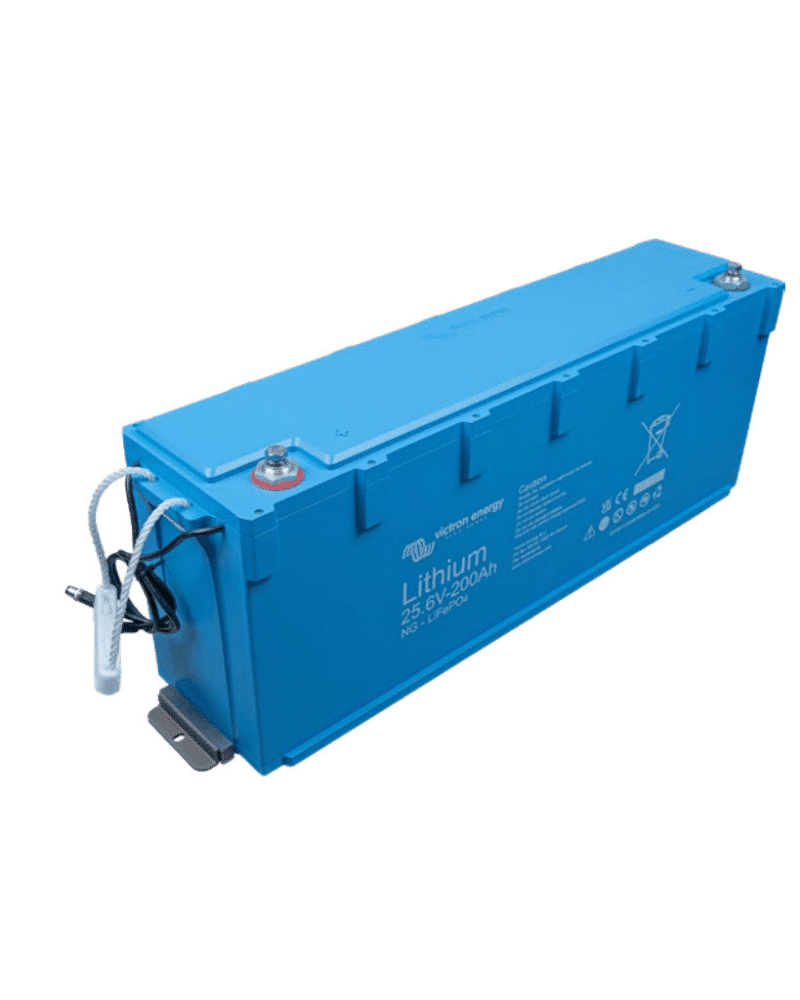
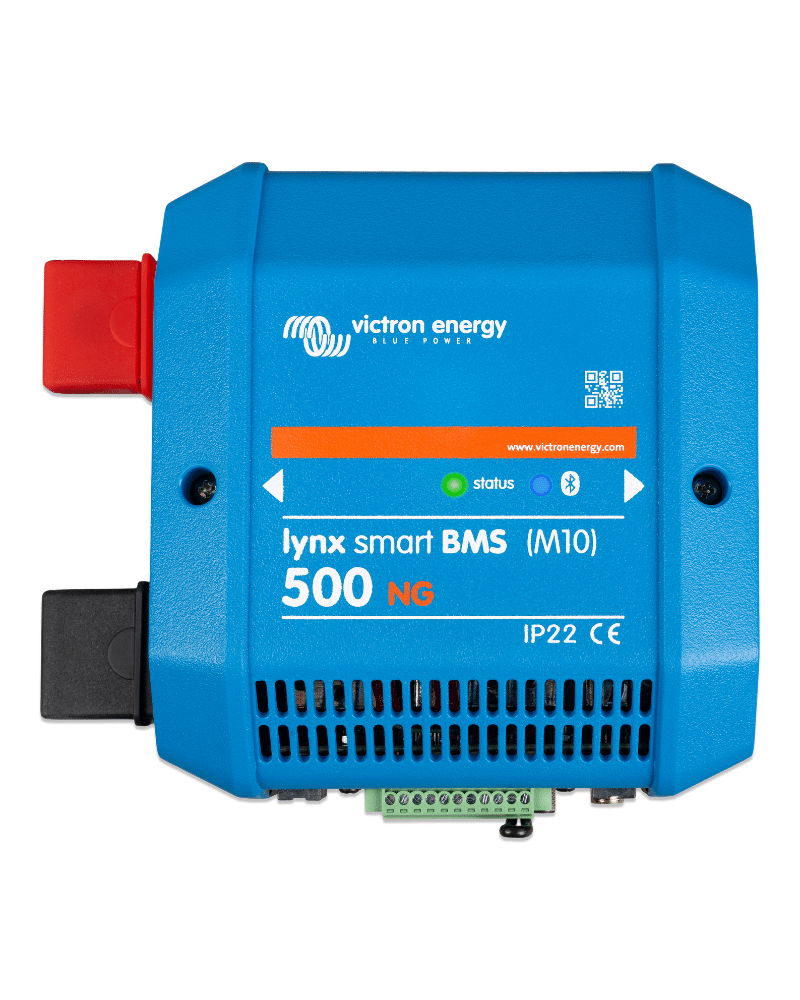
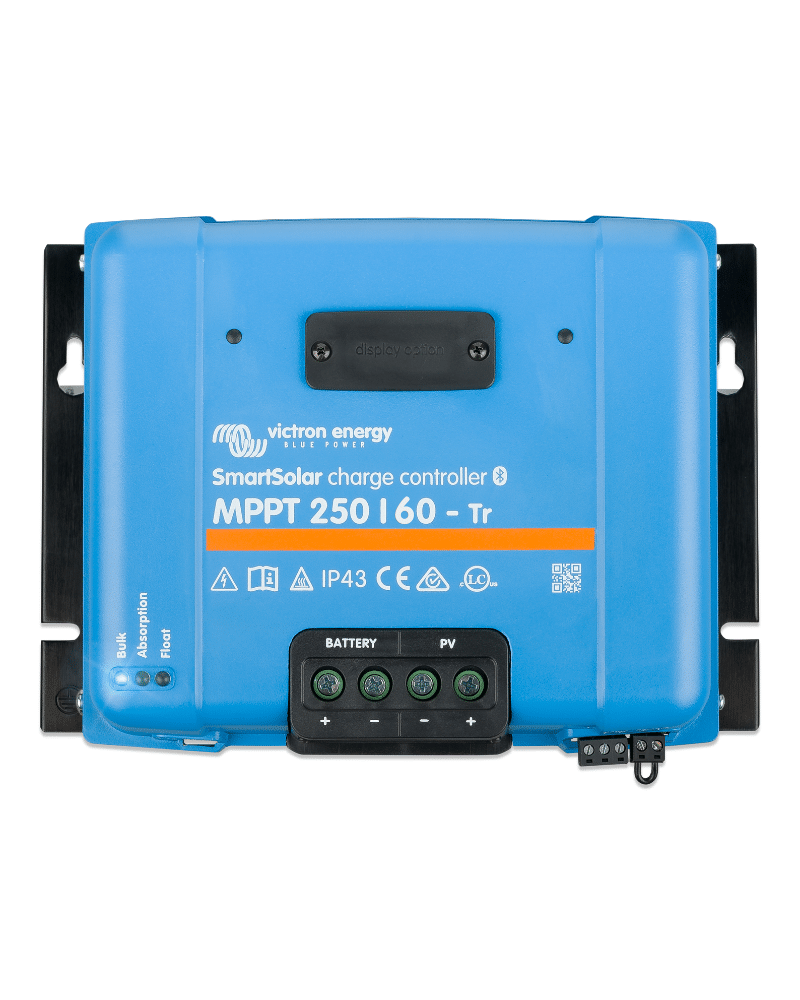
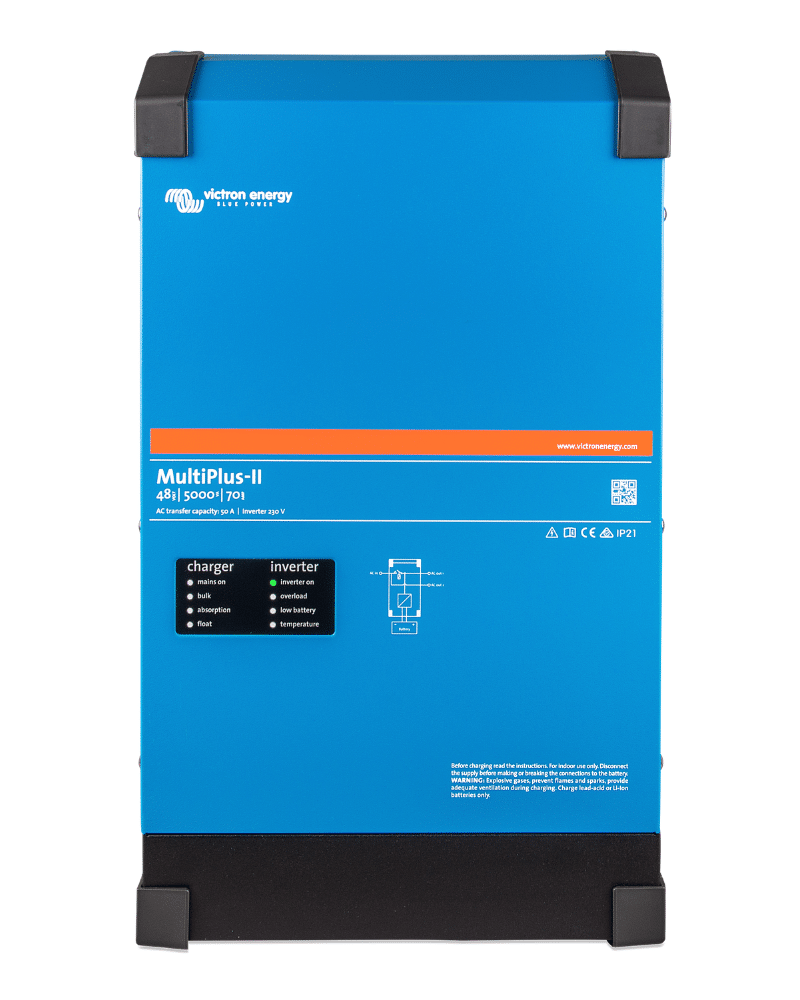
Trek’s Peter Roach worked directly with Scott to conduct a full energy audit and load analysis, breaking the system down into digestible parts, aligning on goals, and translating technical requirements into real-world outcomes Scott could act on. The result was a 48-volt, 200 amp-hour LiFePO4 battery system (approximately 10.2 kWh of usable storage) paired with a 2,000W solar array, capable of running the mini-split cooling system for up to two days without solar input and replenishing the battery bank during daylight hours. The system is anchored by a Victron MultiPlus-II inverter/charger, Victron SmartSolar MPPT charge controller, and Victron Lynx Smart BMS for battery management and protection. A 10–20% production buffer was built into the solar sizing to ensure the system always had headroom. Peter also created a step-by-step installation guide so non-electrical personnel could safely commission the system on-site, and conducted a remote monitoring walkthrough with Scott so the client’s team knew exactly what to watch for.
With the power architecture defined, Zack Jurina modeled the entire component layout in CAD to identify the smallest weatherproof enclosure that could house everything on a custom back panel. He sourced the enclosure, back panel, solar panels, and racking, then mounted all components and wired the entire system before handing off to Peter for programming and final testing.
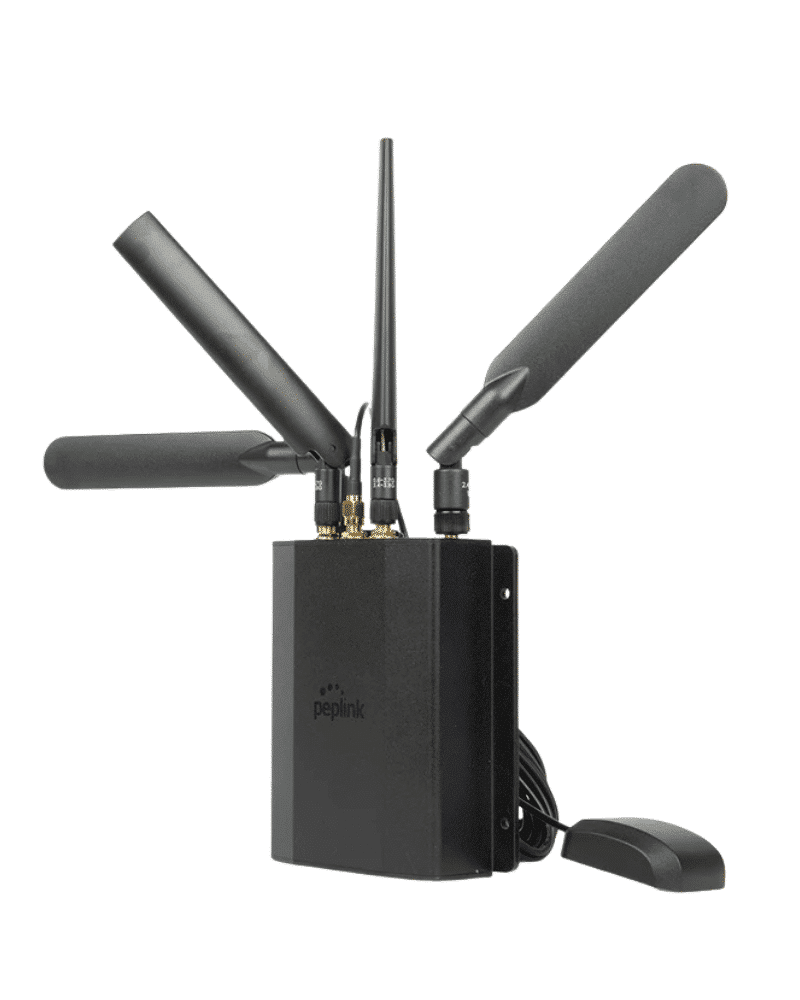
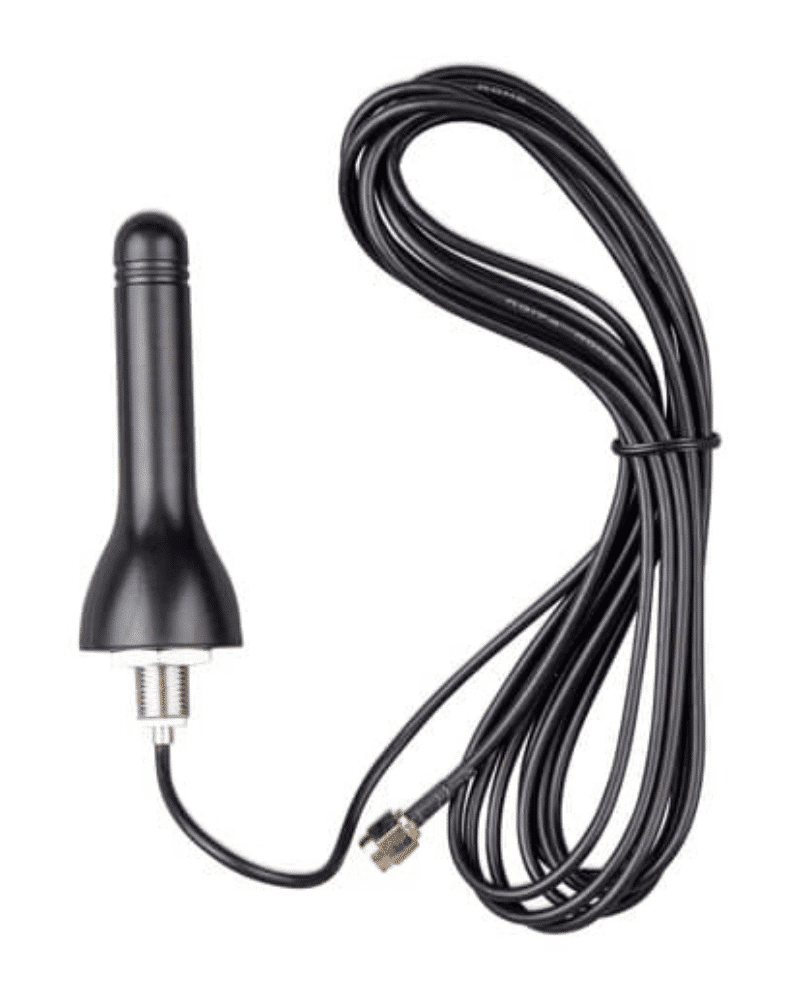
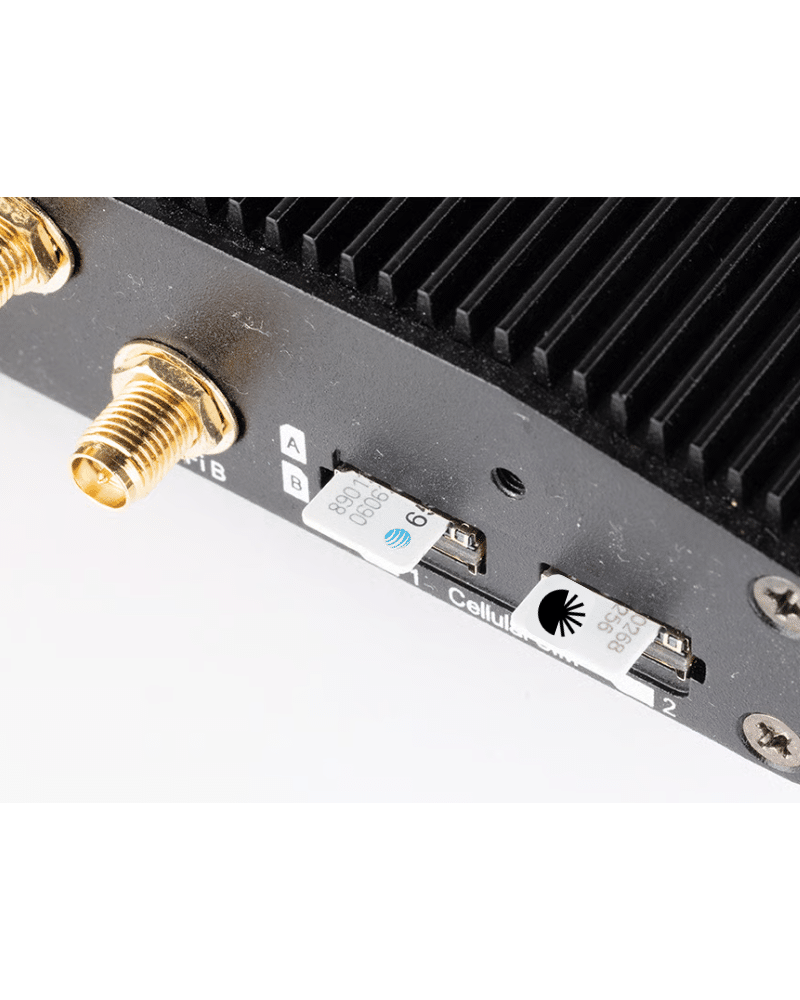
Connectivity inside a metal enclosure presented its own distinct challenge, as metal boxes are effective blockers of both cellular and Wi-Fi signals. Collin Quinn was brought in specifically to solve this, with a clear brief: get both devices online without overbuilding the system. His approach was deliberate and cost-conscious. Rather than specifying separate cellular and Wi-Fi antennas, he found a leaner path. An external Victron Cellular Antenna was routed through a sealed enclosure penetration to reach the nearest cell tower. For the CoolBot, which offers no wired Ethernet option, Collin leveraged the CoolBot Pro’s separate Wi-Fi receiver dongle, positioning it inside the enclosure directly beside the Peplink MAX BR1 Mini router so the router’s own Wi-Fi antennas could communicate with it at point-blank range. The Victron Cerbo GX is wired directly to the router, completing the data loop. A TrekData 2GB Multi-Carrier Roaming Plan handles the cellular link, sized for the site’s modest data needs and strong local coverage.
A temperature-activated intake and exhaust system within the enclosure automatically prevents equipment from overheating, a quiet but important detail for a unit designed to operate outdoors, unattended, year-round.
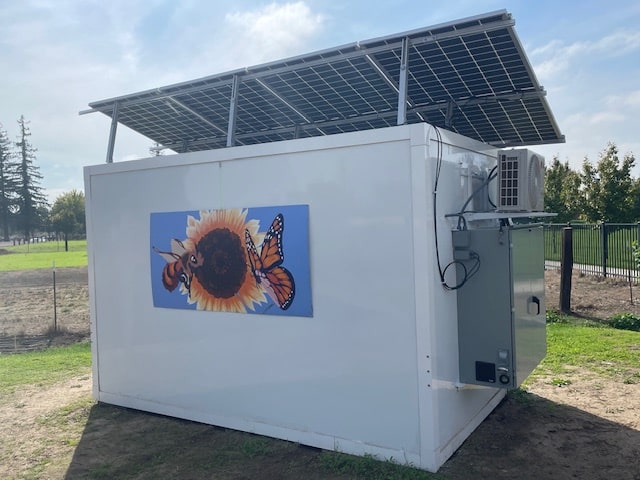
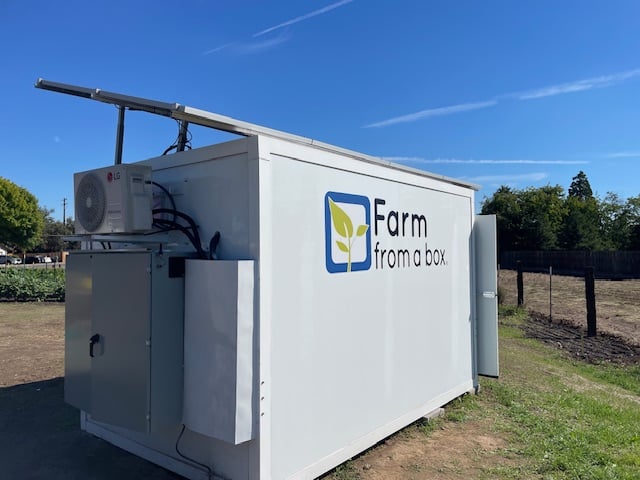
The deployed solar-powered cold storage solution gives the farmer complete operational visibility from anywhere, including current temperatures, irrigation flow rates, pump PSI on both inlet and outlet, and full system health. The modular container now functions as a fully autonomous post-harvest facility: cooling produce after harvest, running drip irrigation on schedule, and surfacing anomalies before they become losses.
For Farm From A Box, the project demonstrates what’s possible when energy design, physical build quality, and connectivity are treated as equal priorities from the start. The farmer isn’t just storing food. They’re running a data-connected growing operation from a self-powered box. And if their needs ever grow, the system was designed from day one to be expanded.

Presented by Trek Systems
In partnership with Farm From A Box
farmfromabox.com