A private pilot needed a reliable way to preheat his aircraft engine without needing to arrive at the hangar hours early to run a generator. His existing solar setup wasn’t cutting it. Upgrading his aircraft hangar with a Victron-powered system gave him full remote control of his engine heater from home.
Airport hangars at private and municipal airfields are rarely built with utilities in mind. Electrical infrastructure is often entirely absent, and for aircraft owners who need to run engine block heaters, lighting, power tools, and other equipment, the only alternative is a portable generator. Generators are loud, produce fumes, require regular refueling and maintenance, and typically must be started and monitored on-site.
A previous solar installation had been attempted using off-brand equipment, but the system was unreliable. The battery bank depleted too quickly, and the inverter was both oversized for the actual load and so inefficient that it would drain the battery considerably at idle. The owner had no remote visibility into the system state, no way to trigger the engine heater from home, and no alerts to warn him when charge levels dropped below a safe threshold.

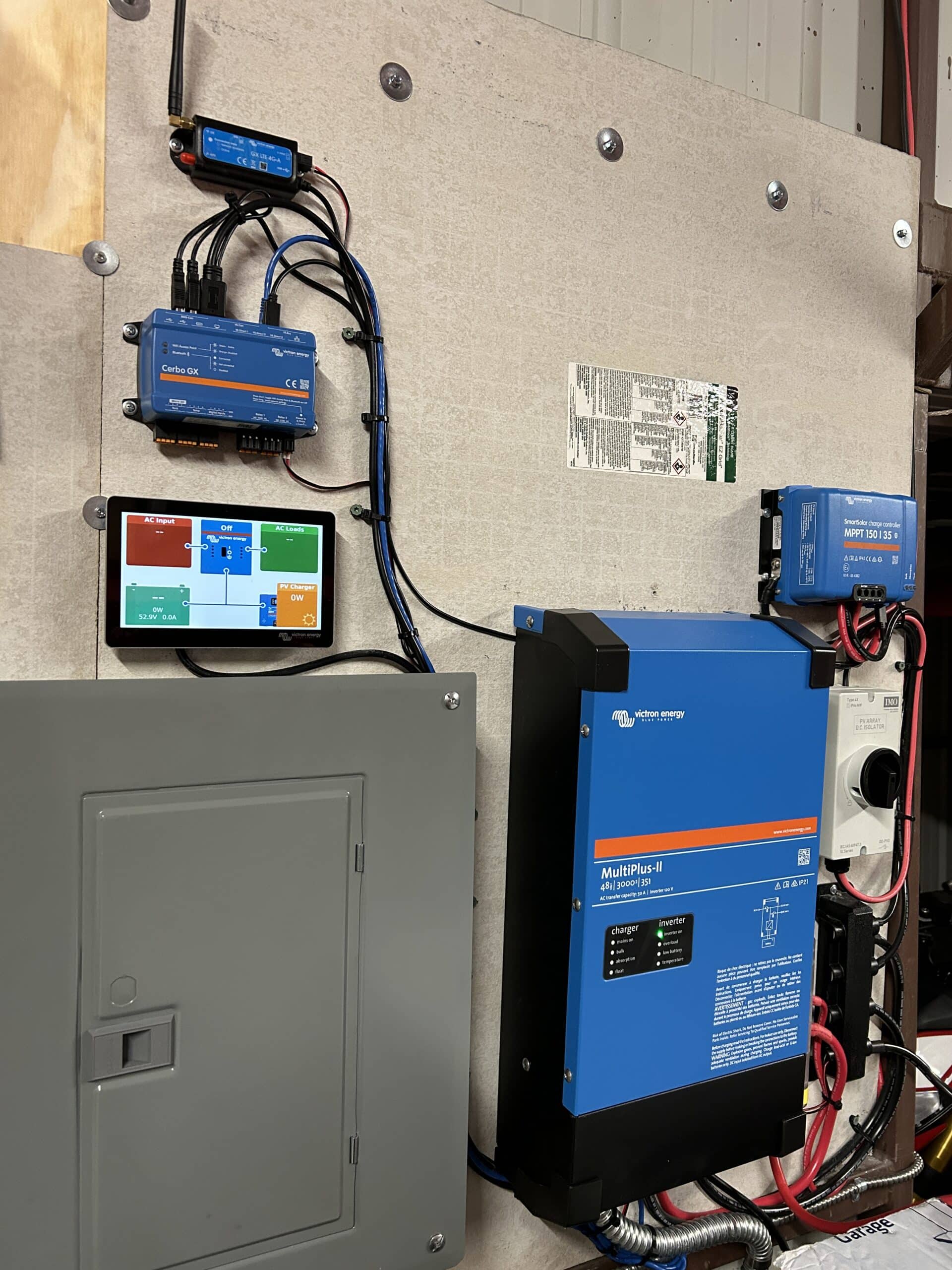
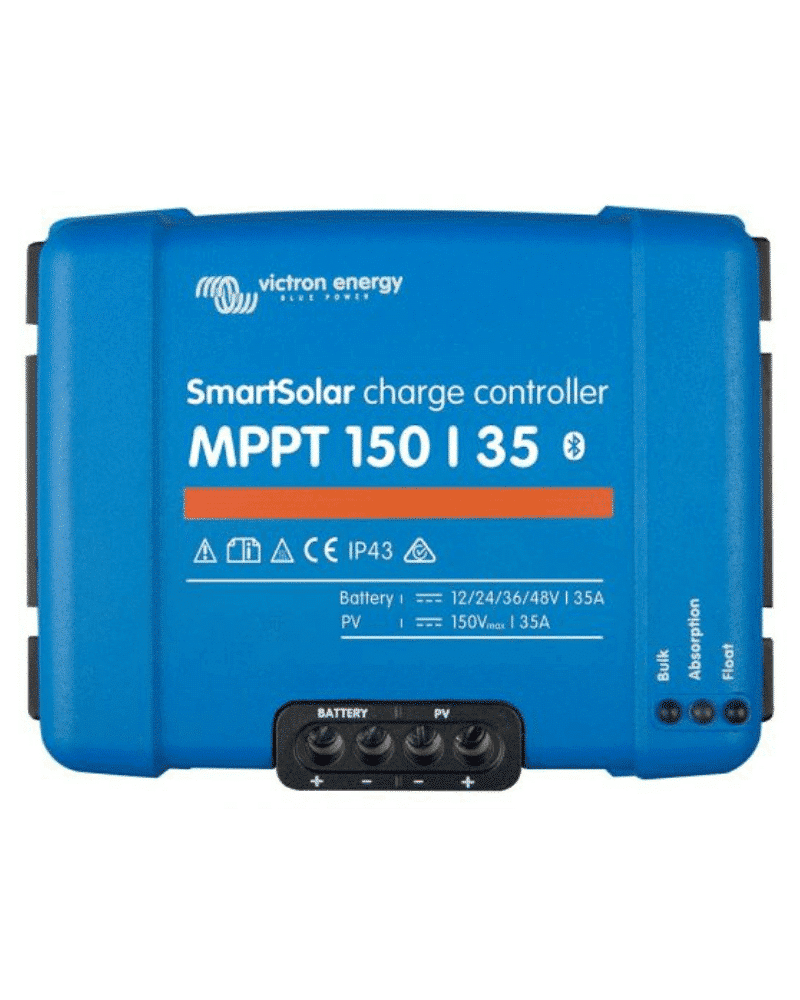
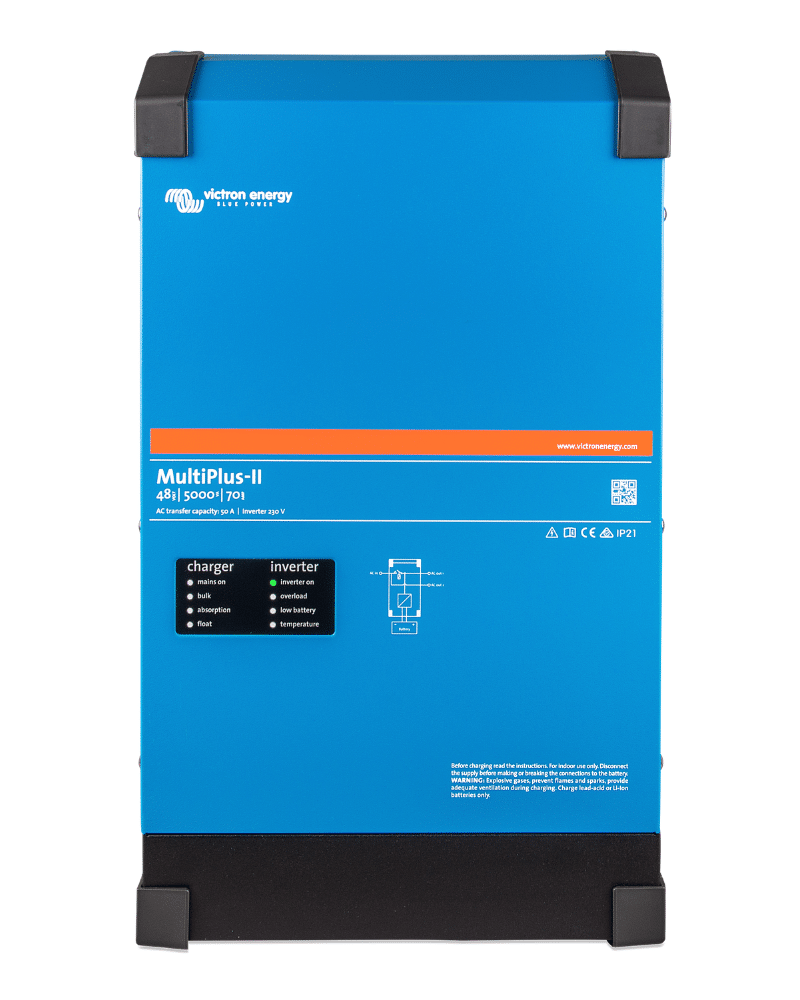
The existing 11.26kWh 48V LiFePO4 battery bank was retained, as it was performing well and sized correctly for the load. The underperforming inverter was replaced with a Victron MultiPlus-II 48V 3kVA, right-sized for the actual demand and significantly more efficient at partial load. A Victron SmartSolar MPPT 150/35 Charge Controller was paired with the existing 910W solar array to ensure the battery bank stayed properly topped off across seasonal variation.
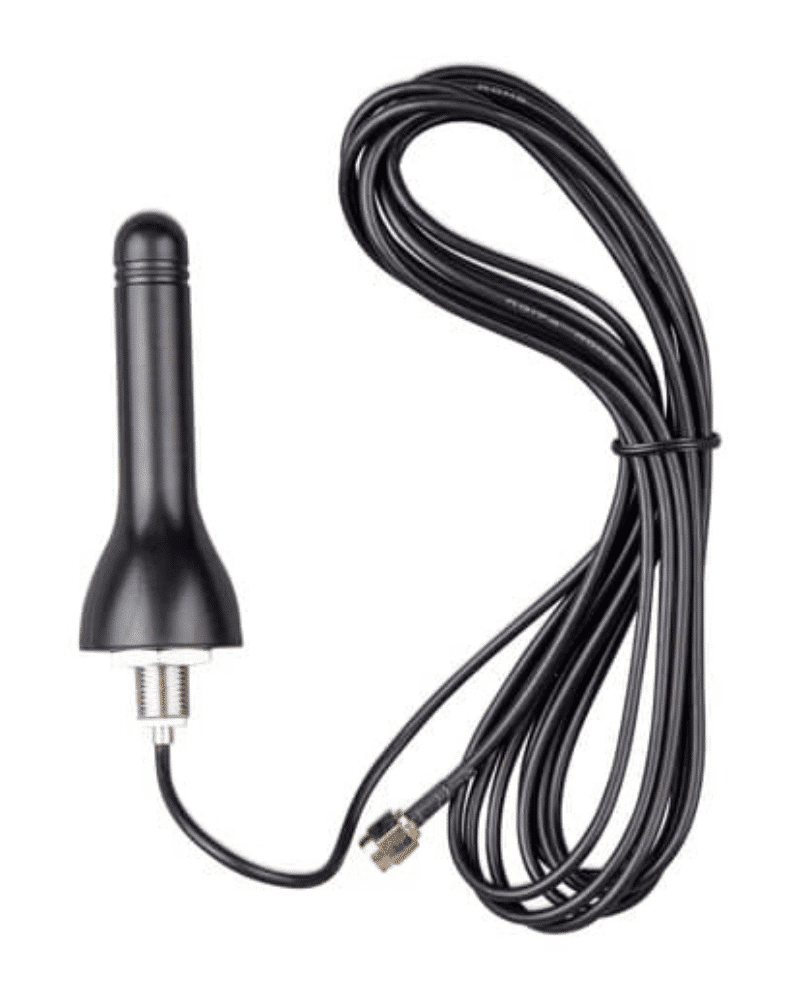
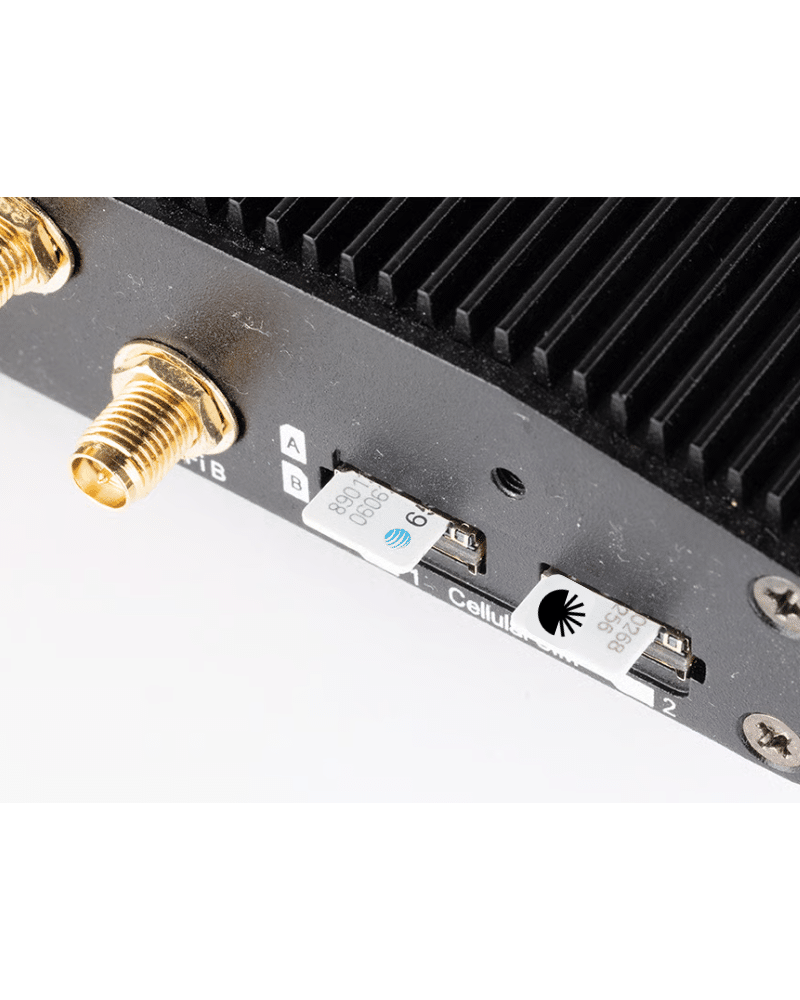
A Victron Cerbo GX with GX Touch 70 display provides real-time system monitoring and triggers low-battery alerts directly to the owner’s phone. A Victron GX LTE 4G cellular modem keeps the system online even without local Wi-Fi, using a trekData Multi-Carrier Roaming Plan for always-on connectivity.
The final piece was a smart AC power strip wired to the inverter output. Engine block heaters for multiple aircraft plug into this strip, with individual outlets controllable through the strip’s own remote interface. The inverter itself can also be toggled on and off remotely via VRM, allowing the owner to conserve power when the hangar isn’t in use. The result is a flexible system where the owner can manage both the inverter and individual AC circuits from home, activating engine heat well before he arrives at the hangar.
The system was commissioned and included a full walkthrough of system monitoring and remote control using the Victron Remote Management portal (VRM).
What previously required arriving at the hangar several hours before a planned flight is now achieved by toggling a few switches via an app from home. The owner activates the engine block heater remotely, arrives at the hangar with the aircraft warmed up and ready, and is airborne without the generator fuel costs or wait times that were unavoidable with the previous setup.
The system has run reliably for several years with no significant issues. Both aircraft benefit from the installation, and the hangar now supports a full range of uses including lighting, an air compressor, an electric aircraft tug, and trickle chargers for eight motorcycles, all from a single solar array and battery bank.



Presented by Trek Systems